World Cup Qualifiers 2026: Jamaica’s Road to the Finals
The Jamaican national team has officially entered the 2026 FIFA World Cup qualification campaign, setting a clear target: secure a berth in the tournament hosted across the United States, Canada, and Mexico. With the first round of CONCACAF playoffs already announced, the Bucs face a tight schedule that demands peak fitness, tactical flexibility, and mental resilience.
Context: The Qualifying Landscape
CONCACAF’s 2026 qualification format expands to 23 slots, offering Caribbean nations a higher chance of reaching the World Cup than in previous cycles. Jamaica is seeded third in the Caribbean zone and will face the Cayman Islands in a two‑leg home-and-away tie, followed by a playoff against a Central American winner if successful. The stakes are high: a single loss could derail the entire campaign.
Training Focus: From Conditioning to Match‑Specific Drills
Preparing for this rigorous schedule requires a balanced approach that blends aerobic endurance, strength, and sport‑specific agility. Coaches are adopting high‑intensity interval training (HIIT) and resistance circuits to build the stamina needed for back‑to‑back matches. The following routine, modeled after elite programs, illustrates how the squad can integrate these elements:
- Day 1 – Endurance & Recovery – 30‑minute steady‑state run followed by 15 minutes of dynamic mobility work.
- Day 2 – Strength & Power – 4 sets of compound lifts (squats, deadlifts) and plyometric drills.
- Day 3 – Tactical Sprint Intervals – 8×60m sprints with 90‑second recovery, then small‑side games focusing on quick transitions.
- Day 4 – Skill & Vision – 45‑minute dribbling and passing drills under pressure, concluding with a 10‑minute game‑like scenario.
- Day 5 – Light Activity – 20‑minute jog, yoga, or a gentle swim to promote circulation.
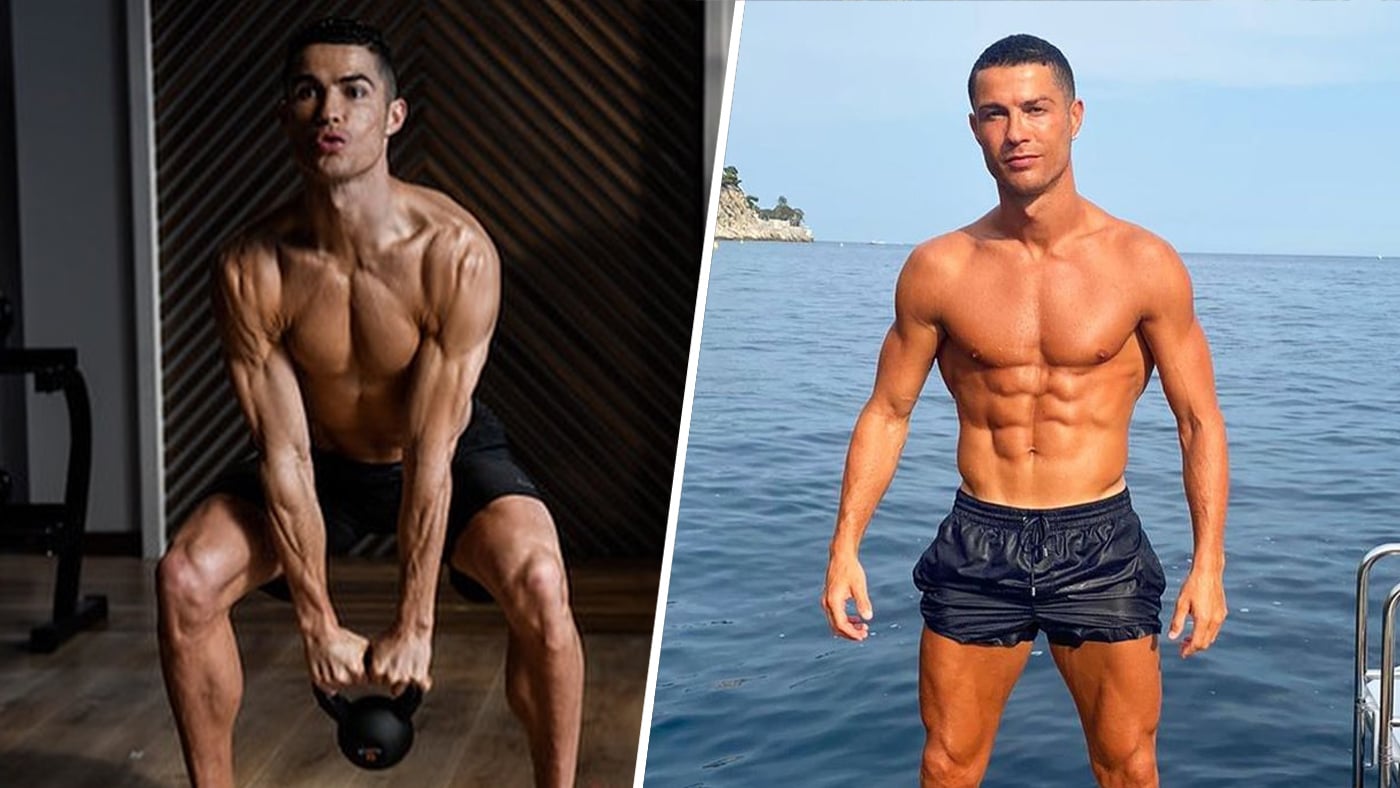
Comparative Insights: Ronaldo vs. Jamaican Training
While Cristiano Ronaldo’s regimen emphasizes explosive power and individual conditioning, Jamaica’s strategy must balance individual fitness with cohesive team play. Key differences include:
- Ronaldo focuses on personalized load management; the Bucs adopt a collective load model to keep the squad evenly conditioned.
- Ronaldo’s drills prioritize one‑on‑one scenarios; Jamaica’s sessions emphasize positional play and collective pressing.
- Ronaldo’s recovery protocols are heavily science‑driven; Jamaica’s recovery blends traditional methods (stretching, ice baths) with emerging techniques (contrast hydrotherapy).
Implications: Performance, Sponsorship, and Fan Engagement
Qualifying for the World Cup could transform Jamaica’s sporting landscape:
- Performance Metrics – Successful navigation of the playoff will boost FIFA rankings, opening doors to higher‑profile friendly matches and increased exposure for domestic talent.
- Sponsorship Opportunities – A World Cup berth attracts national and international sponsors, providing financial backing for grassroots programs and infrastructure upgrades.
- Fan Engagement – The national team’s journey offers a rallying point for Jamaicans worldwide; coordinated marketing campaigns can amplify viewership and merchandise sales.
Actionable Takeaways for Stakeholders
- Implement a unified conditioning framework across all training squads to ensure consistent match fitness.
- Leverage data analytics to monitor player load and prevent injuries during the compressed qualification calendar.
- Develop a targeted communication plan that highlights the team's progress, fostering community support and media interest.
- Establish partnerships with local health organizations to promote nutrition and recovery education among players.
With the World Cup qualifiers looming, Jamaica’s football community faces a critical juncture. By marrying proven conditioning strategies with tactical cohesion and strategic stakeholder engagement, the Bucs can position themselves not only for a spot in the 2026 tournament but also for sustainable growth in Caribbean football.